Domain
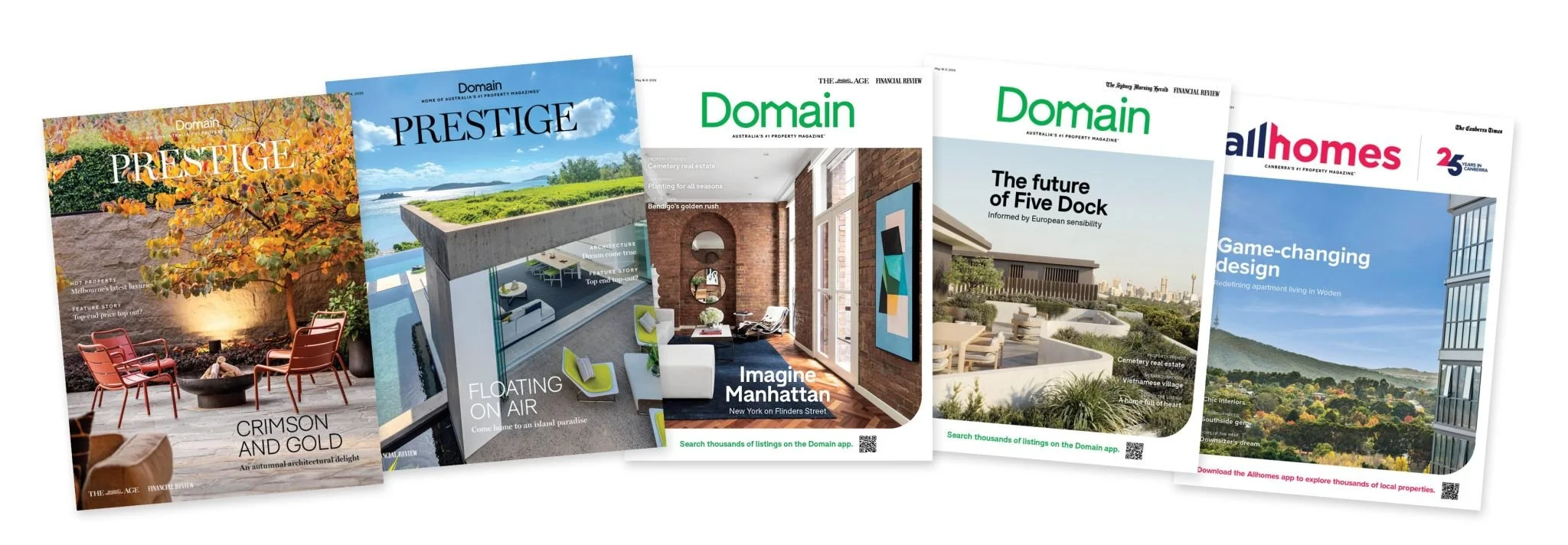
From 2025 to the start of 2026, I was the managing editor of Domain, running the editorial teams that create Domain Age and Prestige Victoria. These property magazines are inserted into The Saturday Age and The Australian Financial Review and boast an average readership of 693,000 per issue.
As a young journalist, I always dreamed of editing a weekend magazine. This job was the perfect intersection of many of my career threads to date: hard news journalism (in the economics, markets and policy articles I commissioned), soft (in the design, architecture and lifestyle content I edited) and magazine production (which is its own conceptual beast).
The year I led the team was a particularly interesting one in the Australian property market. National prices increased by 8.6%; the cost-of-living crisis reached a crescendo; the First Home Guarantee Scheme was introduced; the Victorian government announced its Decade Ahead plan to ease the housing crisis; and the RBA introduced fresh interest rate rises.
As an antidote to these heavy-hitting stories, I made a conscious effort to insert human-interest reporting on topics ancillary to the traditional property market. Some of my favourite articles I commissioned were about how Australia’s uptake of electric vehicles will shape property values (think twice about converting your garage) and the resurgence of multigenerational living and how architects are designing homes to house several family units. I also was able to utilise my lifestyle journalism roots through commissioning home tours, interior trend forecasts and DIY content.
Quartz
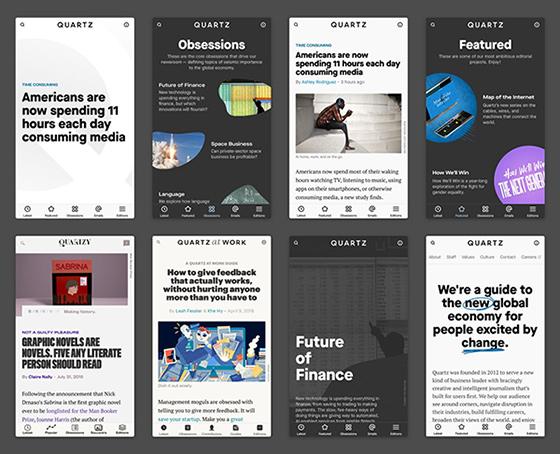
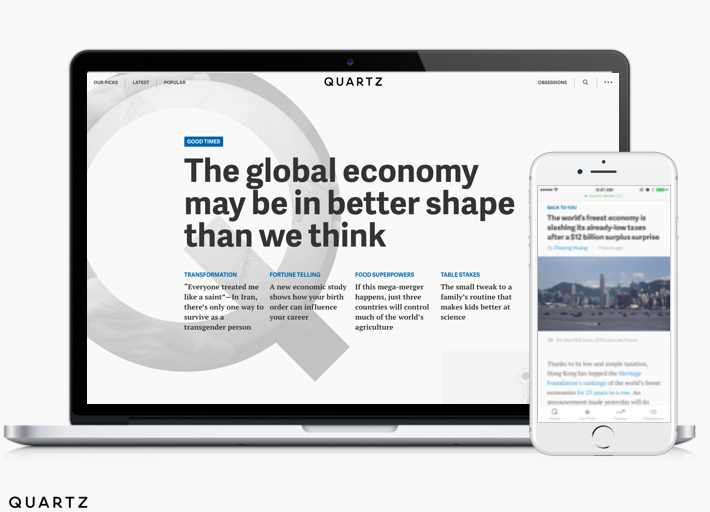
As the former Ideas Editor of Quartz, I commissioned and edited hundreds of essays that aimed to change the tone of contemporary conversations. I worked with heads of state, tech ethicists, microbiologists, software developers, NBA players, and Fortune 500 leaders on bold and often counter-intuitive think pieces that shifted perspectives in an increasingly divided social and political economy.
As part of this role I headed up Quartz Ideas, our space for op-eds and evergreen commentary; was the editorial director for our events, where I ran programming and curated speakers; and managed our Quartz Pros program, which connected world leaders with our audience of 20 million readers a month. During my time as Ideas Editor, I helped thought leaders say what they were trying to say, translating dense topics into engaging content that both entertains and informs.

Some stories I’ve edited
We tested bots like Siri and Alexa to see who would stand up to sexual harassment
To report this piece, Leah Fessler and I created the first definitive database of voice assistants’ reactions to sexual harassment. This database is now used in academic institutions, and the findings of the article forced Amazon and Apple to change their policies
Multi-level marketing companies like Lularoe are forcing people into debt and psychological crisis
This feature article by Alden Wicker was the first exposé of the company and resulted in the exploitative operation being placed under so much media scrutiny that the company changed some of its most corrupt practices. This piece has been read by more than 5 million people and remains one of Quartz’s most successful articles
Happy 50th anniversary of the Mars landing, Earthlings!
For the 50th anniversary of the Apollo 11 moon landing, I asked sci-fi author Bruce Sterling to pen a fictional piece imagining the same event for the Mars landing, written from the perspective of a future Martian
Linguistic data analysis of 3 billion Reddit comments shows the alt-right is getting stronger
In this data-visualisation piece, academic Tim Squirrell scraped a couple billion Reddit comments and used a machine-learning algorithm to definitively categorise far-right lingual “in groups” online
the blitzscaling debate
Tim O’Reilly penned an opus tearing down LinkedIn and Salesforce founder Reid Hoffman’s concept of “blitzscaling,” Silicon Valley’s favourite hyper-powered growth strategy. Reid reached out to defend his stance, and a public debate ensued
Five methods for turning invisible, ranked by the inventor of a real-life invisibility cloak
After watching his presentation at an invisibility conference (yes, really), I had Duke University professor David Smith rank the likelihood of our favourite pop-culture methods of invisibility, complete with gifs
Some other faves
The physics of time travel isn’t just the stuff of science fiction
Climate change is the slowly boiling frog in the pot of the Earth
What the largest sex-furniture manufacturer in the US can teach America about trade
Seven reasons we shouldn’t bring extinct animals back to life
What animal farts – yes, animal farts – can teach us about climate change
We should care more about the deep sea than we do deep space
Will we lose our rights as parents once robots are better at raising our kids?
We should stop sending humans into space to do a robot’s job
China embraces its surveillance state. The US pretends it doesn’t have one
Astronauts will bake cookies in space to see how they cook in zero gravity
Shaping global architecture in an era of fortresses and walls
From Pavarotti to prisoners of war, the surprising relationship between opera and war
We love IKEA because it is the capitalist version of Stockholm Syndrome
Google’s true origin partly lies in CIA and NSA research grants for mass surveillance
Astrology isn’t fake – it’s just been ruined by modern psychology
Friction builds fires, moves mountains, and makes babies – and may be the key to social progress
If you want to save democracy, learn to think like a scientist
Conscious consumerism is a lie. Here’s a better way to help save the world
Will the man running a sex party like a startup be able to leave anyone satisfied?
People I’ve worked with
Op-eds
Three NASA astronauts:
Nicole Stott, on being the first person to paint in space
Ron Garan, on why we shouldn’t colonise Mars
Dave Williams, on how to keep calm in high-stress situations
Three Nobel Prize winners
James Muller and John Pastore, on why Trump could be our unlikely nuclear savior
Elizabeth Blackburn, on telomeres
Melinda Gates, on the future of STEM education
Barack Obama’s sister Maya Soetoro-Ng on the modern-day peace movement
IDEO CEO Tim Brown, on the circular economy
Former UN secretary general Kofi Annan on economic inequality
North Face president Arne Arens on national monuments
Her Excellency Sheikha Hind bint Hamad Al Thani of Qatar on women’s rights
President of Estonia Kersti Kaljulaid on running a country like a company
The only person to replicate Ernest Shackleton’s Antarctic mission, environmental scientist Tim Jarvis
Institute For The Future director Marina Gorbis on “Universal Basic Assets” instead of UBI
Mozilla Foundation director Mitchell Baker on internet freedom
INTERVIEWS
Bertrand Piccard, the first person to circumnavigate the world in a solar-powered plane and in a hot-air balloon
Oceanographer Fabien Cousteau, Jacques Cousteau’s grandson
Legendary music publicist Howard Bloom, who was Michael Jackson, Prince, Bob Marley, and Run DMC’s manager
Western Union CEO Hikmet Ersek
Bizarre Foods host Andrew Zimmern
What Happens Next
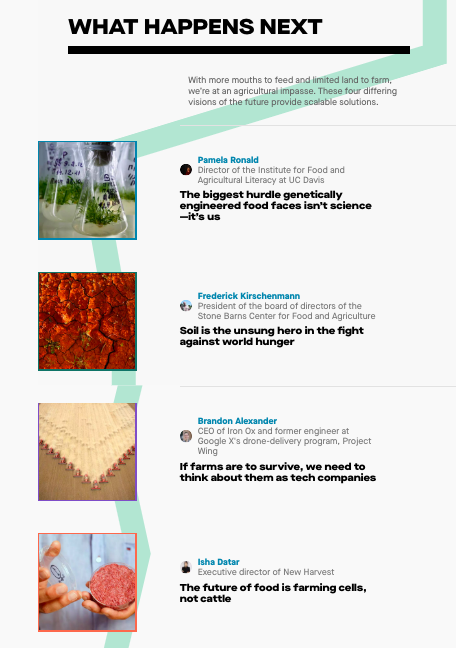
What Happens Next was one of Quartz’s largest-ever special projects. Comprising of more than 60 articles that were published over a four-month period in 2018, it told the stories of the communities who will be most affected by the changes the future will bring, written by the visionaries building our new reality. As there is not a singular vision of the future, but many versions of it, I asked some of the most forward-thinking leaders – scientists and entrepreneurs, academics and farmers, roboticists and teachers – to share their predictions for what tomorrow will look like and how to prepare for it.


What Happens Next focused on 10 subjects: home, work, food, cities, money, fact, aging, water, gaming and college. Each chapter had essays written by world-leading experts, such as Ethereum co-founder Joe Lubin, former president of Google China Kai-Fu Lee, Minecraft head Helen Chiang and NBA star Jeremy “Linsanity” Linn.
Some favoUrites:
Kinfolk
Before switching gears to my nerdy love of science and technology, the first decade of my career was in design and lifestyle journalism. This period culminated in being named the Editor of Kinfolk for three years during the height of its expansion. Along with the incredible team of creatives I had around me, I built out its masthead, formed its strategic vision and helped develop the magazine into the cult-adored, award-winning publication it now is. During this time I supported its editorial expansion in China, Japan, Korea and Russia, increased readership by more than 200%, edited the New York Times’ bestselling book The Kinfolk Home and built the publication’s reputation as the design bible that it is today. (I also apologise for accidentally making flower crowns and mason jars a “thing”.)

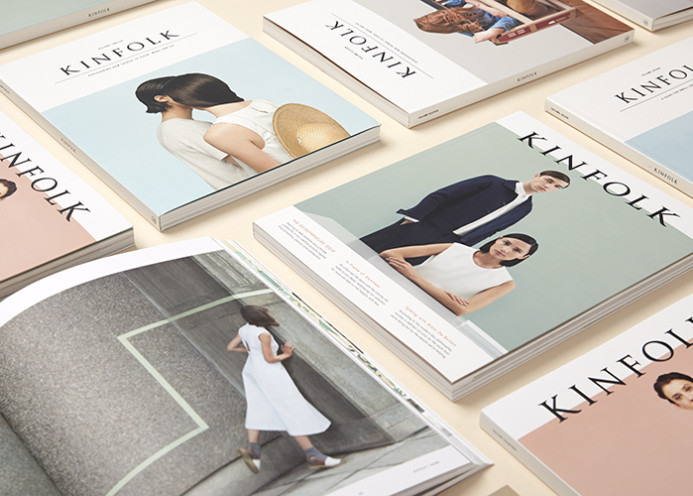
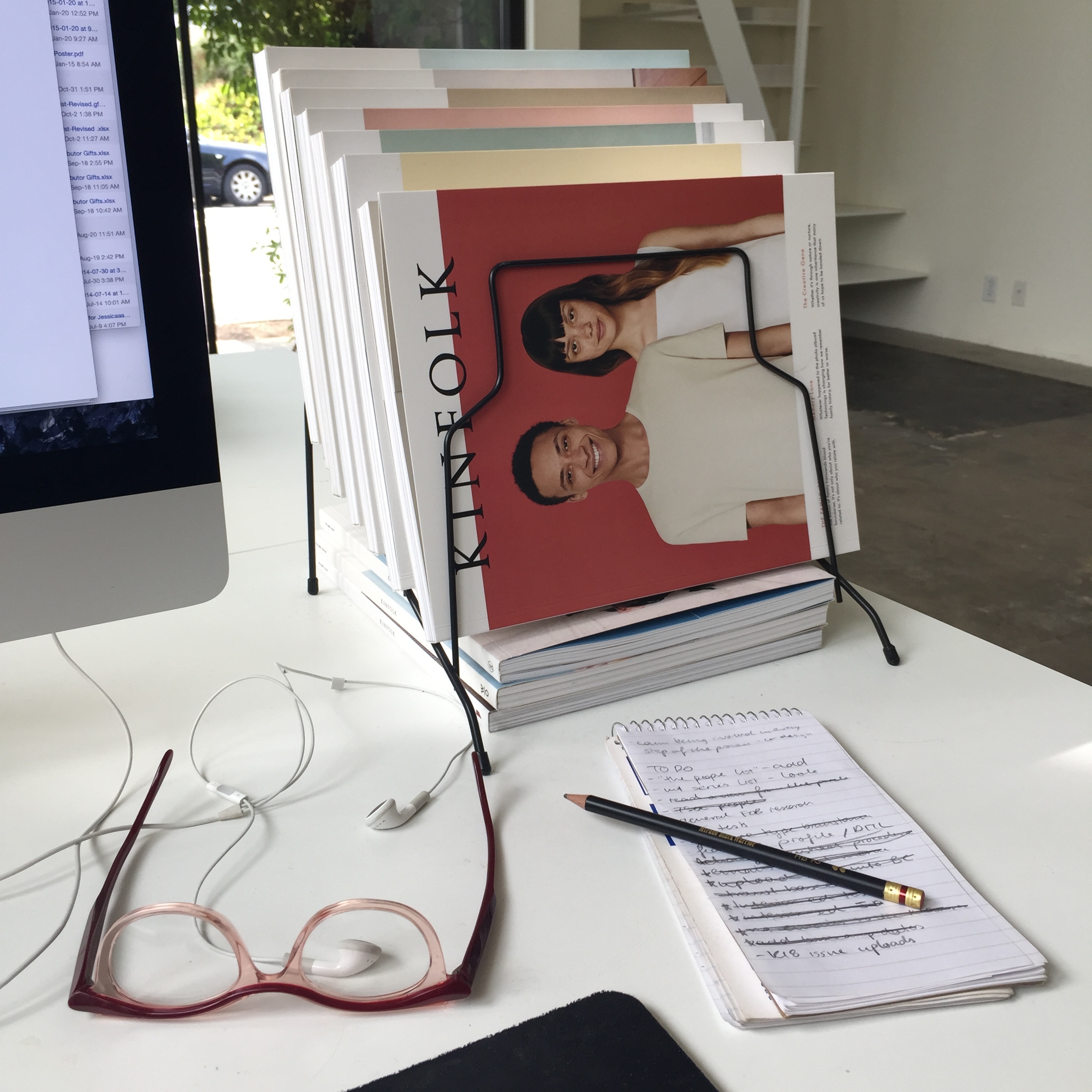


Kinfolk is a slow lifestyle magazine that explores ways for readers to simplify their lives, live essentially and cultivate community.
Since its debut in 2011, Kinfolk has grown to become the leading independent lifestyle magazine for young creative professionals with over 85,000 copies of each issue sold into over 100 countries. Kinfolk is one of the most influential indie lifestyle titles in print, with over 170,000 readers and over 2 million social media followers. Published quarterly, Kinfolk maintains a vibrant contributor base from Kyoto to Cape Town.
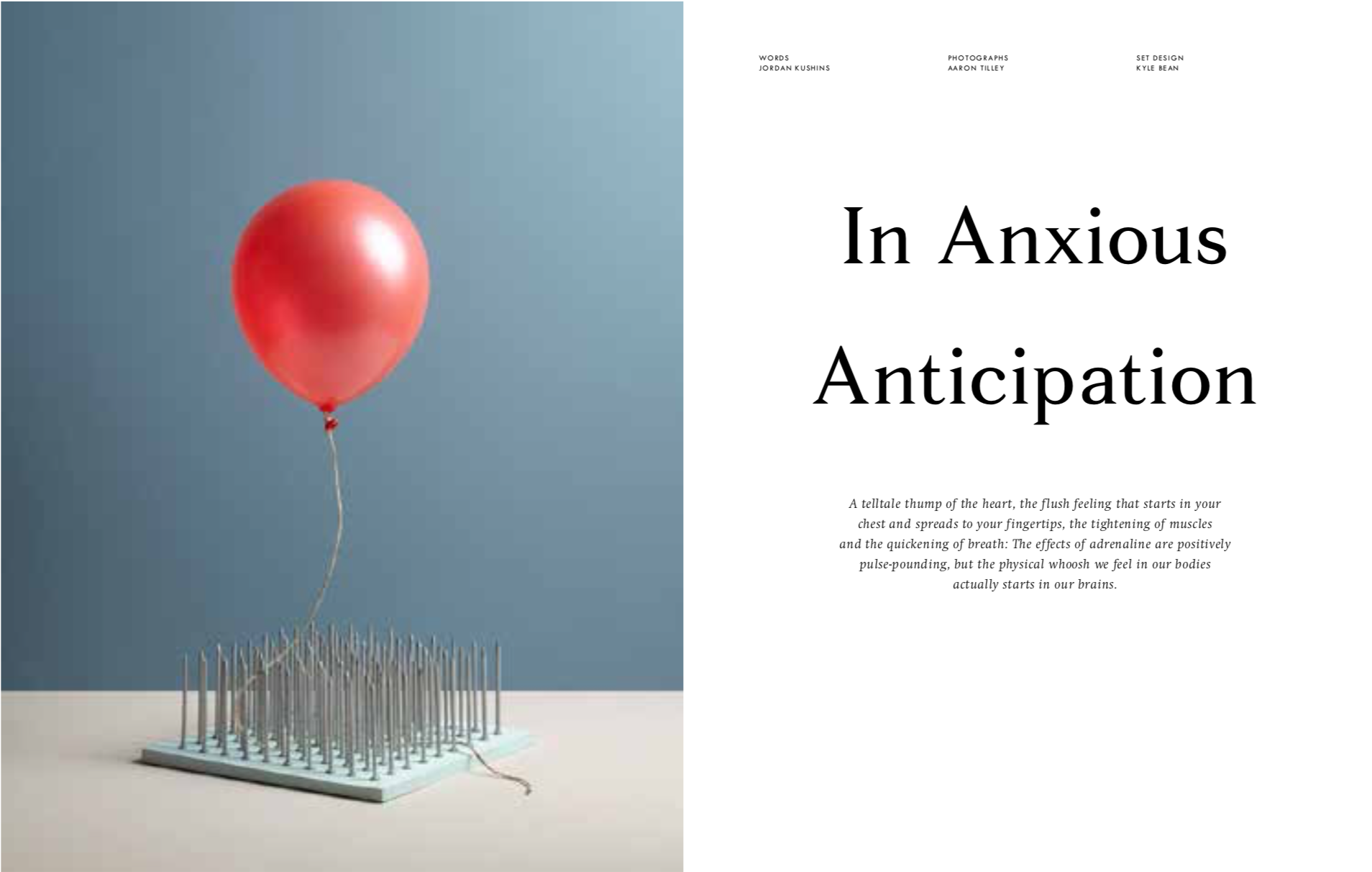
Each issue of Kinfolk uses conceptual photography, fashion editorial, essays and interviews to investigate a specific theme. Kinfolk’s international contributors and editorial staff in both Copenhagen and Portland collaborate to provide smart and entertaining angles on universal topics in a substantial printed package that is highly collectible. Themes Kinfolk has covered include essentialism, family, design, entrepreneurship, weekends, imperfection and home.

